
What Makes a Portfolio Actually Stand Out
Most portfolios look the same. We break down the three design choices that make people actually remember your work.
Read Full GuideMost design portfolios look the same. We show you how to build one that actually stands out and gets clients to take notice.

Real strategies from designers who’ve built portfolios that actually convert clients.
Most portfolios look the same. We break down the three design choices that make people actually remember your work.
Read Full Guide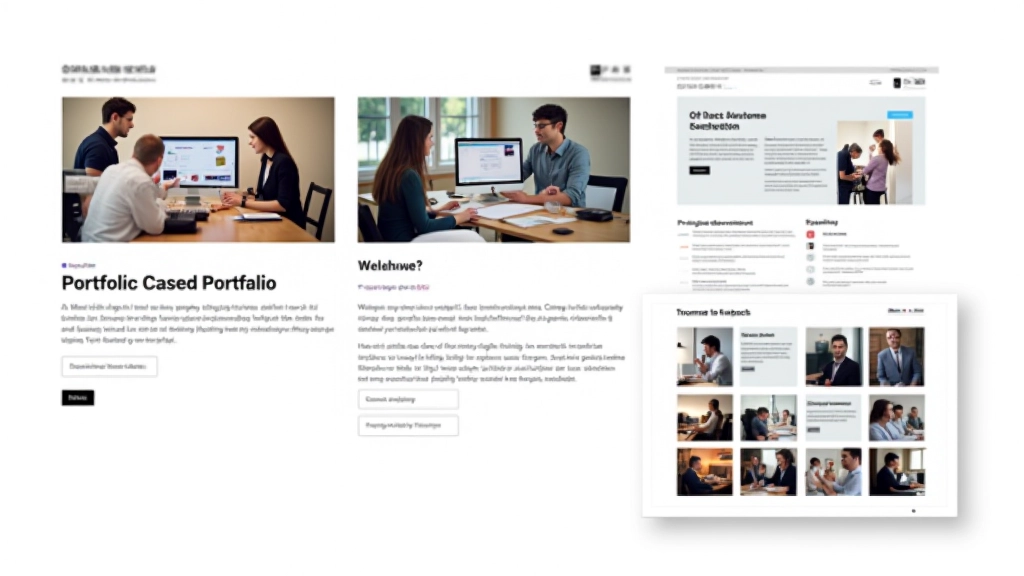
Templates and frameworks for explaining your process. Real examples from designers in Malaysia and Singapore.
Learn More
Structure matters. You’ll learn the navigation patterns that work best for portfolio sites, plus what to include in each section.
Discover StrategyWe’ve looked at hundreds of portfolios. Here’s what separates the ones that get noticed from the rest.
Visitors should know where to look first. Not every project deserves equal weight. Some are stronger than others — let that show.
Your portfolio is a project too. It should reflect your actual design philosophy, not just copy what’s trending this month.
Clients want to see your thinking. Show the problem, your approach, and why you made specific choices. That’s what sells.
Don’t claim credit for things outside your control. But do explain what your design solved and why it mattered.
A great portfolio means nothing if people can’t figure out how to hire you. Make it obvious. Make it easy.
Not all portfolios need to look the same. Here’s how to choose what works for you.
Show fewer projects, but show them really well. This works great if your work is strong and you want to emphasize quality over quantity. Clients see you’re selective about what you put your name on.
Show your range. This works if you work across different industries or mediums. Clients can see you’re adaptable and you understand multiple contexts.
Walk people through your process and thinking. This works if you’re strong at explaining your work and want clients who value collaboration and process.
Real feedback from people who’ve built portfolios that actually work.
“I wasn’t sure my portfolio was the problem — I thought maybe I just wasn’t good enough. Turns out my projects were buried under bad navigation. Reorganized everything based on these guidelines and suddenly I’m getting inquiries I wasn’t getting before.”
“The case study approach changed everything. I used to just show finished work, but clients didn’t really understand what I’d actually solved. Now I walk them through the thinking and they get why I made certain choices. That’s what closes deals.”
“I had 20+ projects crammed in there trying to prove I could do everything. Cutting it down to just my best work felt scary at first. But I’m getting higher-quality inquiries now because people can actually see my real strengths.”
These aren’t criticisms — they’re patterns we’ve noticed. Avoid these and you’re already ahead.
You’ve got 25 projects and they’re all weighted equally. Visitors scroll through feeling overwhelmed and leave without remembering anything. Quality beats quantity. Always.
Your best project is buried three clicks deep. By the time someone finds it, they’ve already left. Your strongest work should be visible immediately.
Just showing finished designs. Clients want to understand the problem you solved. What was broken? How’d you fix it? Why’d you choose that direction?
Your portfolio should convince people to hire you. It’s not just a place to show pretty work. Make it easy to understand what you offer and how to work with you.
We’re designers who spent way too long worrying about portfolio perfection before realizing the real issue: most portfolios don’t actually sell work. They just sit there looking nice.
After working with dozens of designers across Malaysia, Singapore, and beyond, we noticed the same problems kept showing up. Talented people weren’t getting hired because their portfolios didn’t tell the right story. So we started documenting what actually works.
Now we share these strategies so you don’t have to waste time figuring it out alone. Your portfolio should work for you — not against you.
Learn About Our Services
From Malaysia to Singapore to Bangkok — designers are using these strategies to rebuild their portfolios.
Whether you’re starting from scratch or redesigning what you’ve got, we’ve got the strategies and examples to guide you.